Silicon Alley in 2026: a field guide to NYC startups
Silicon Alley started as a stretch of lower Broadway in the nineties. In 2026 it is the second-largest startup ecosystem on earth: $713 billion in value, 150 unicorns, and, for the first time, more tech workers than the Bay Area. Here is where the density actually is and how to plug in.

Ask three New Yorkers where Silicon Alley is and you get three answers, all out of date. The original alley, the stretch of lower Broadway around the Flatiron District where the first dot-com generation set up in the mid-nineties, stopped being the boundary long ago. What survived is a temperament, not a neighborhood: New York startups are built close to their customers. The city's founders sell to banks, brands, hospitals and landlords they can take the subway to. The Valley builds for developers and waits for the market; the Alley builds for an industry that is already downstairs.
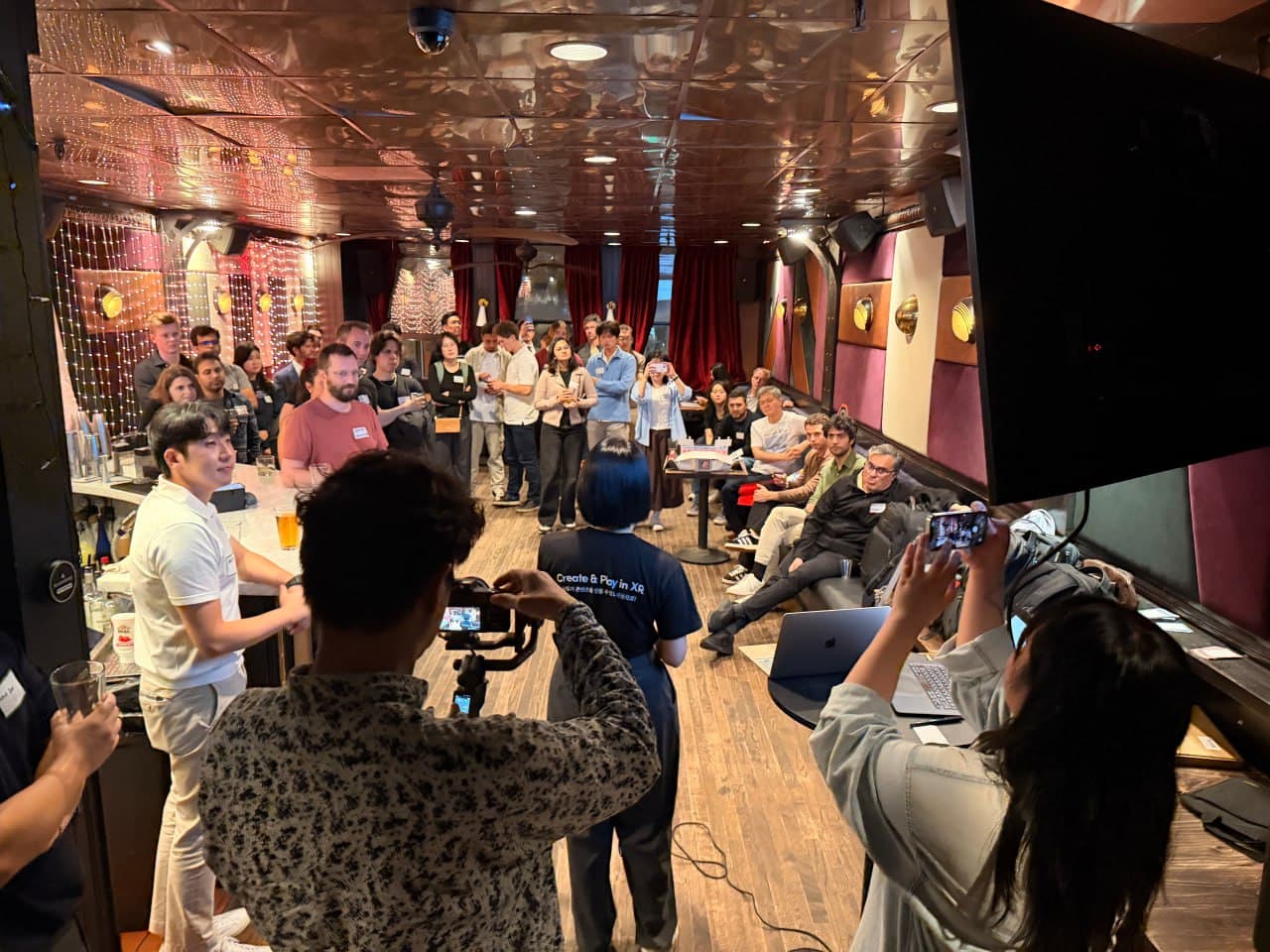
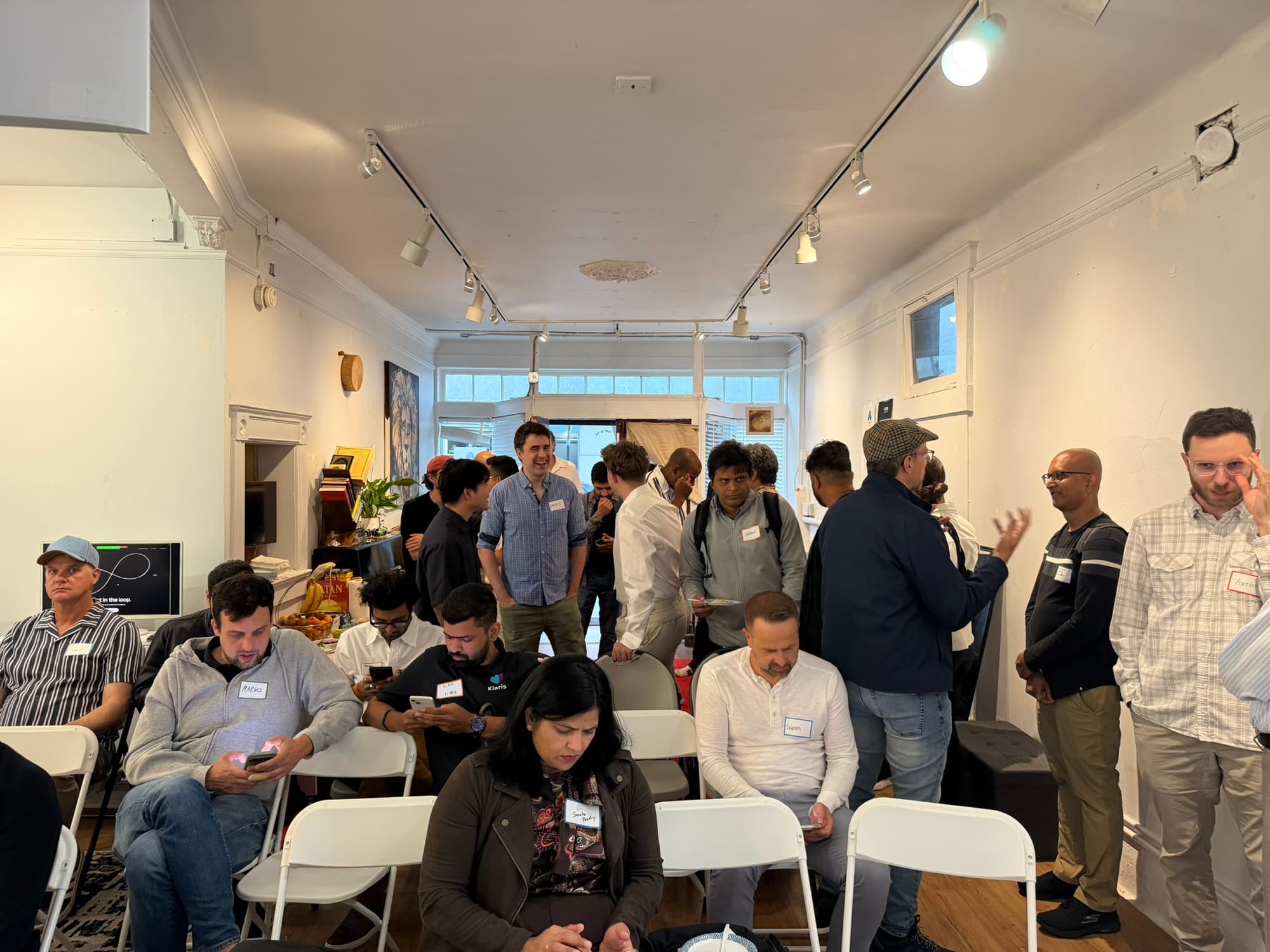
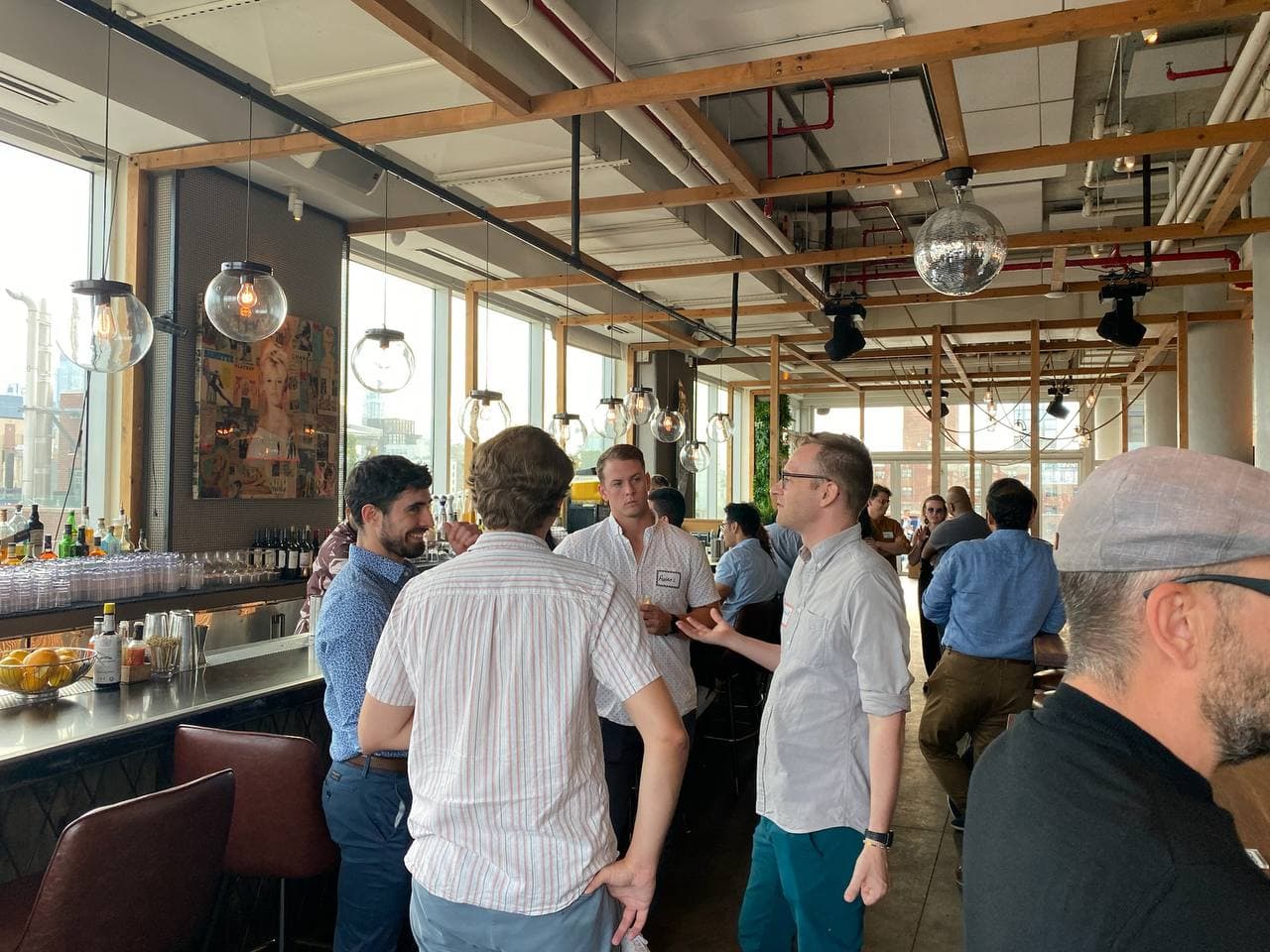
We run events in the middle of this scene: 143 New York pitch nights (121 in Manhattan, 22 in Brooklyn) out of 1,066 nights worldwide since June 2023, with our New York calendar the busiest we run anywhere. So what follows is what we see from the floor, backed by the 2026 numbers, not a Wikipedia history.
How big is Silicon Alley in 2026, actually?
New York is the number 2 startup ecosystem in the world behind Silicon Valley and ahead of London, per Startup Genome's 2026 Global Startup Ecosystem Report, which puts the ecosystem's value at $713 billion with 150 active unicorns and $163 billion of venture funding raised from 2021 to 2025.
The 2026 twist is talent. Per CBRE's Scoring Tech Talent 2026, the New York metro passed the Bay Area as North America's largest tech-talent market for the first time: 394,300 tech workers against the Bay Area's 375,730, after New York added about 30,600 over three years while the Bay Area shrank by 23,900. And the money followed the talent back: city companies raised $23.8 billion in venture funding in 2024, up 41% on 2023 and 11.3% of the entire US total, per NYCEDC's State of the New York City Economy, which also counts 56 AI unicorns based in the city and puts tech at 9.1% of city GDP, nearly double its share in 2000. Then $11.1 billion landed in Q1 2026 alone, the largest quarter since 2021, per NYCEDC's April 2026 snapshot.
For a founder planning a raise, the two working numbers are smaller: the median NYC seed round is $2 million and the median Series A is $11 million (Startup Genome, same report). Useful to know before a New York investor asks what you are raising.
"Silicon Alley stopped being a place years ago. It's a temperament: build close to your customer, and assemble the scene on purpose."
The neighborhoods where the density actually is now
In 2026 the answer is a list of neighborhoods rather than one address. Flatiron and Union Square still hold the symbolic center, and the coworking floors around Madison Square Park remain the default first office. But the gravity has been multipolar for years: SoHo and NoHo for consumer and design-led companies, the Financial District for fintech proximity, and a serious Brooklyn contingent in Dumbo and Williamsburg that stopped being the cheap alternative and became a scene of its own. The map is also more city-shaped than it used to be: 53% of the metro area's tech jobs now sit inside the five boroughs, up from 39% in 2019 (NYCEDC, same report).
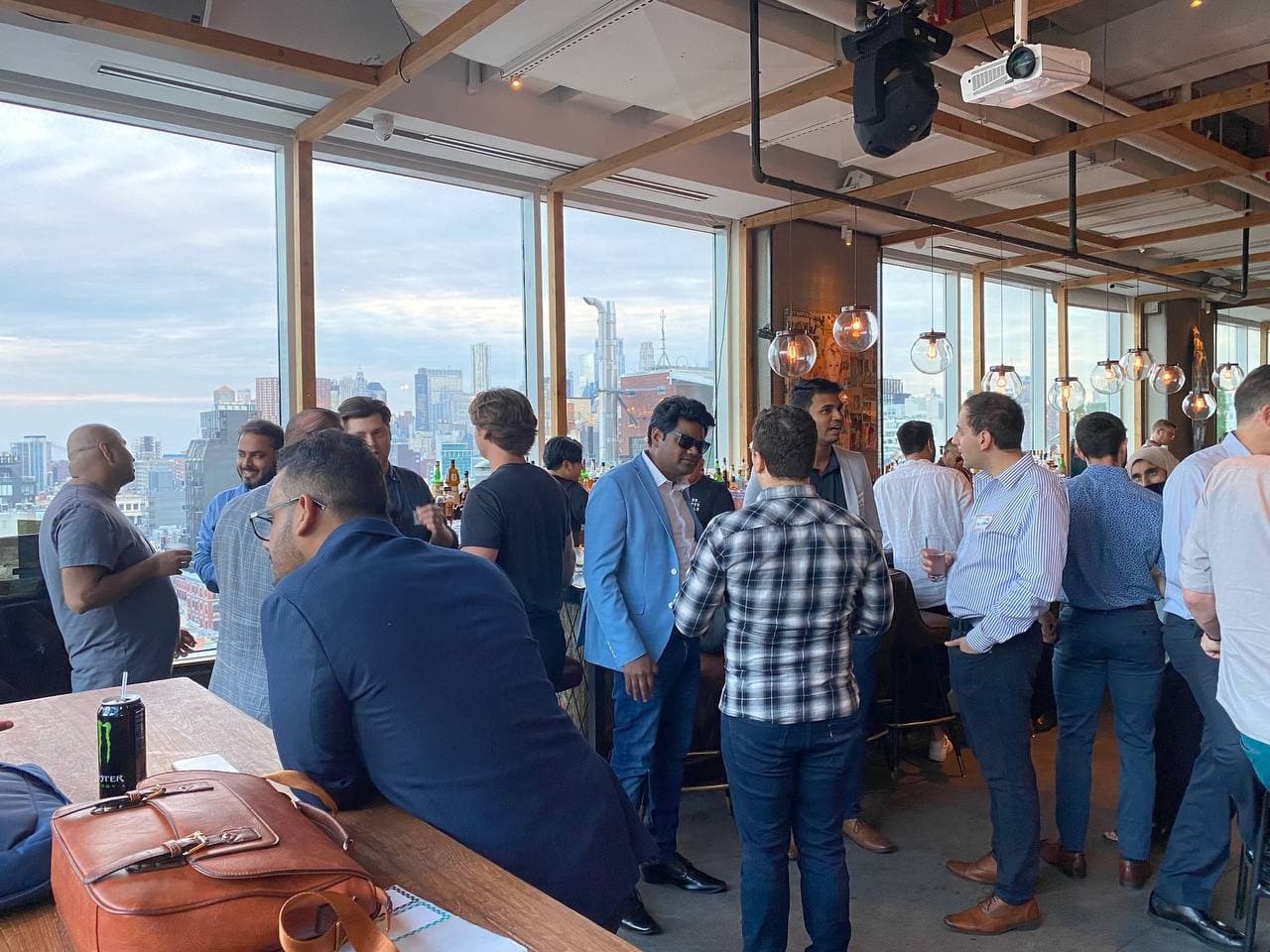
The practical consequence for a founder: you do not move through NYC tech by picking the right neighborhood. You move through it by picking the right recurring events. The scene is too spread out to bump into by accident. The density is real, but it assembles on purpose, at demo days, industry meetups and pitch nights, and disassembles by midnight.
The talent pool is also unusually cross-trained: the operator you meet at a Tuesday event has plausibly done a tour at a bank, a brand and two startups. That mix is the city's quiet advantage, and it is exactly the crowd that makes a good night work.
The investing layer: who writes the early checks
People searching for how Silicon Alley startups get funded usually expect a short list of famous funds. The famous funds are here; the city has been home to top-tier seed franchises for two decades. But the layer that actually catches most first checks is wider and quieter: operator-angels. New York has minted an unusual number of them, because its exits skew toward acquisitions that leave hundreds of vested operators looking for their next thing to believe in.
The etiquette differs from the West Coast too. NYC investors tend to want the business legible early: revenue motion, a real customer, a defensible wedge into an industry they know. The romance of the pre-product deck travels worse here. That is not a hardship, it is a filter you can use. If your story survives a New York Q&A, it is ready for anywhere.
For angels themselves, the city is a target-rich environment with one catch: deal flow is social. The checks get talked into existence at the after-event bar, not through cold inbound. If you are an operator starting to write checks, the on-ramp is showing up where founders pitch and being visibly useful before you are visibly wealthy. Joining the investor list for our nights is one way to start seeing that flow.
How to plug in without wasting a quarter
The failure mode for newcomers is event tourism: three months of panels, zero relationships. The scene rewards regulars, the people who show up to the same events often enough that their name precedes their pitch. Pick a small number of recurring events, become a regular at them, and let the compounding do the work. Our guide to which NYC startup events are worth your evening is the filter we use to build that shortlist.
Our own New York nights run on the pitch night format we use everywhere: founders pitch live, investors ask real questions, and everyone stays for open networking with something concrete to talk about. It is a deliberately fast way to become a regular. One good pitch makes you known to a room full of people who matter, and the investor approval gate means the Q&A comes from people who actually write checks.
Every company that pitches can land in our public startup directory (99 published profiles and counting), and the strongest of each fortnight go out in the biweekly drop to investors and operators. That is the part that outlives the night: in a scene this distributed, being findable matters as much as being present. If you are building in New York, apply for a pitch slot and come say your one true thing out loud.
Find a pitch night near you and put this into practice.