Pitch Competitions in NYC: The 2026-27 List
Sixteen New York pitch competitions, pitch nights and demo days, every one verified alive in August 2026, with prizes, eligibility and the windows that are open right now.

Three different things get called a pitch competition, and the difference decides where you should apply. A pitch competition pays a prize: you apply, a panel scores you, a winner takes a check. A pitch night is recurring: no purse, but investors in the audience every month and no application lottery, so the value is reps. A demo day is an accelerator's graduation, so the pitch is the output of getting in, not an open entry. All three are below, labeled, because a founder chasing a $20,000 check and a founder trying to meet 20 angels should be at different events.
Open as you read this: Enthuse closes Sep 23; Techstars NYC closes Nov 18; ERA is rolling; Founders Live pitches Sep 10; our own New York nights run Sep 16, Sep 30 and Oct 14. Everything else reopens between the fall and the spring. Every entry was checked against the organizer's own site on August 26, 2026, because the standard failure of lists like this is dead listings.
Recurring pitch nights: pitch investors this month, no lottery
The fastest way to pitch investors in New York is not a competition at all. Three recurring series put founders in front of investor audiences every month: Startup Valley at Whiskey Cellar NYC, Founders Live at The Yard: Herald Square, and Startup Grind NYC. There is no prize purse and no months-long application cycle. You apply, you get a slot, you pitch, and the same crowd reconvenes a few weeks later.
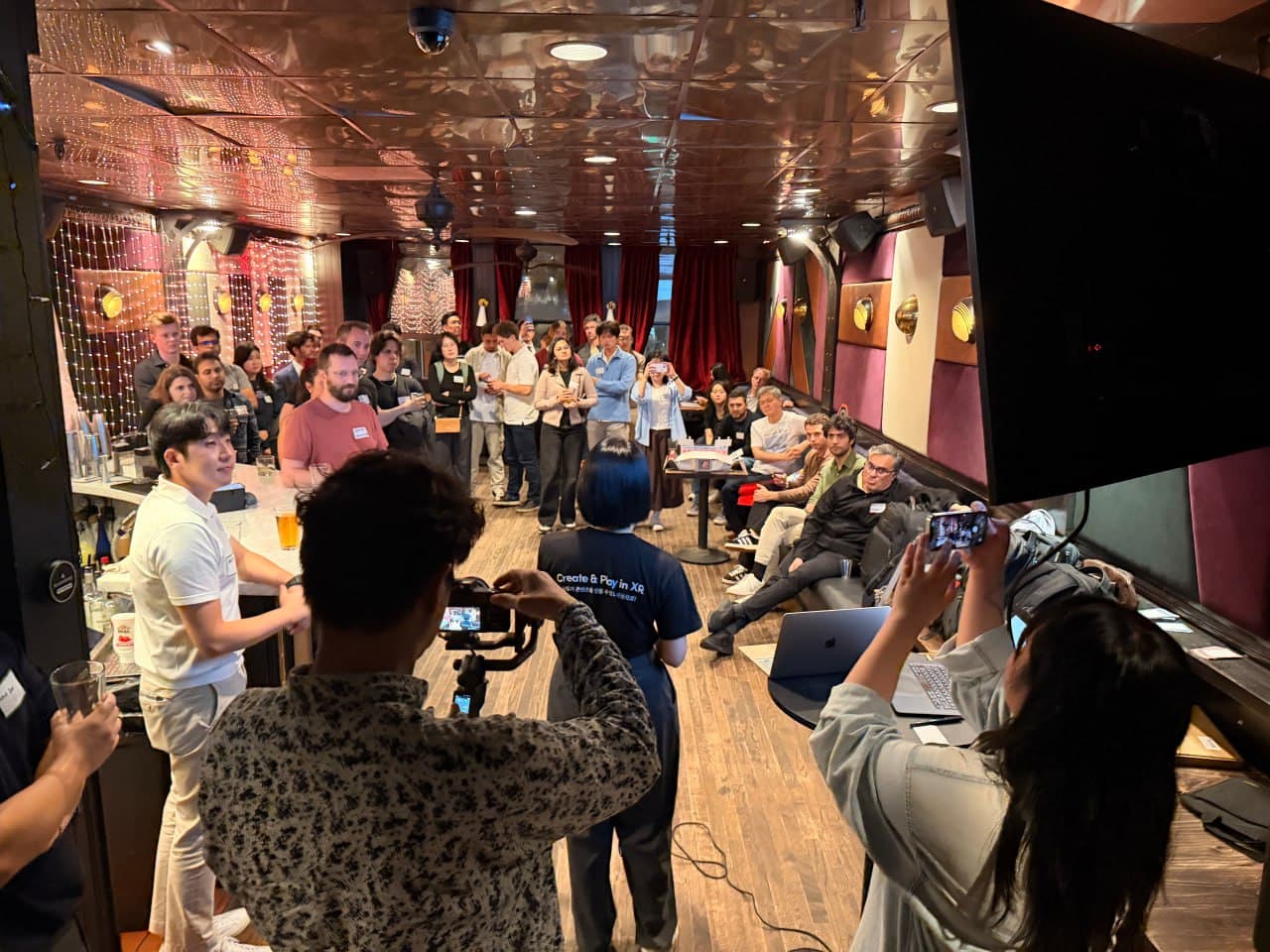
Full disclosure: the first entry is ours. Startup Valley runs pitch nights and investor networking in 25 cities; in New York we have hosted 143 nights and roughly 6,800 attendees, with 5-minute founder pitches and open Q&A. We describe the other two in the same factual register, because both are genuinely worth your evening.
Our own series: 900+ events and 41,000+ tickets all-time across our cities, 121 of those nights in New York plus 22 in Brooklyn. Doors at 6 PM, ticketed on Luma and Eventbrite, founders present from their own laptop, and every pitch gets live audience Q&A with angels and VCs in the seats.
There is no prize check, deliberately. What you get instead is a structured reason for investors to hear your company, twice a month, until you stop being a stranger. Apply to pitch; pitching founders also go into our public startup directory.
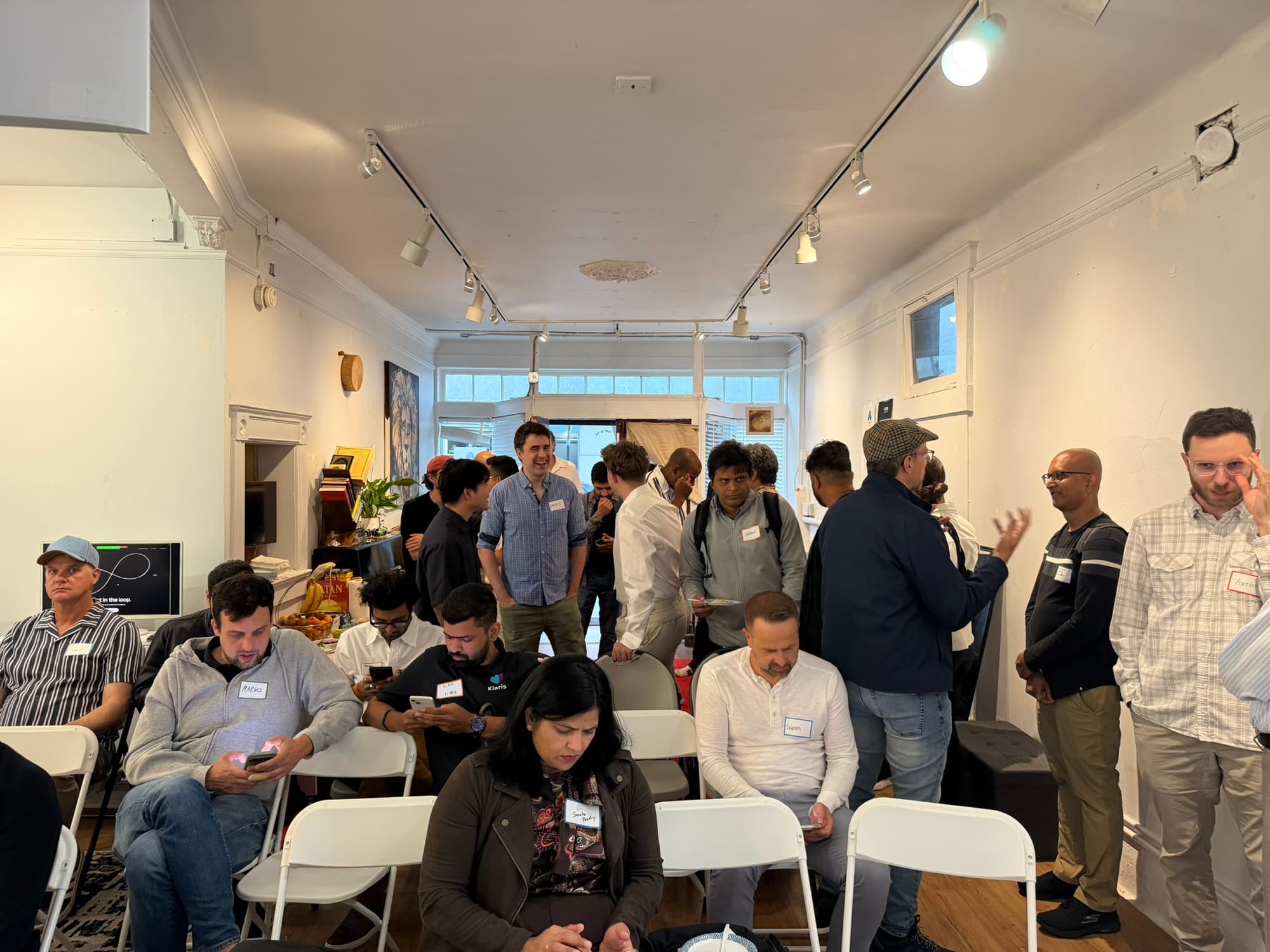
The shortest format in the city: five founders, 99 seconds each, then the crowd votes. The winner takes the Founders Live 'Booster Pack' (which the organizers value at over $1M in startup service savings) and advances toward the network's Prime Time regional qualifiers and a global livestream tournament. Doors open an hour early for networking. If your problem is compressing the story, this is the gym for it.
Startup Grind's NYC chapter runs a recurring Demo Showcase, plus an annual All-Stars night where 20 startups get one minute and one slide each. Treat the regular Thursdays as a showcase-and-networking evening rather than an investor-judged competition; the All-Stars winner gets a free exhibitor spot with investor matchmaking at the 2026 Startup Grind Conference, which is a real distribution prize for a one-minute pitch.
"A prize check is one good night. A pitch stage that reconvenes every two weeks is how investors stop being strangers."
Cash-prize competitions any NYC founder can enter
New York's boroughs run three free competitions with real checks: the NYPL's New York StartUP! ($15,000 first prize, Manhattan, Bronx and Staten Island), Brooklyn's PowerUP ($20,000 first prize), and the Queens Tech & Innovation Challenge (five winners at up to $20,000 each). Add two sector competitions, Enthuse ($25,000, women-founded CPG) and InsurTech NY ($200,000 prize pool), plus TiE New York, and most NYC founders have a cash competition open to them each year.
One more we checked so you do not chase it: Black Ambition, Pharrell Williams' prize, is not accepting new applications in 2026. The official site says so directly; the program has awarded roughly $13M to 131 entrepreneurs and is pivoting to supporting its existing portfolio. It still ranks in searches. That gap between what ranks and what is alive is exactly why this list exists.
The New York Public Library's competition is the on-ramp for pre-revenue founders: real money, mandatory business-plan workshops, and an eligibility bar (under $10,000 revenue) that keeps the field genuinely early. The 2025 cycle named winners, so the program is alive, but the library says it is still working out details for the next one. Do not wait for a deadline announcement; join their update list at startup@nypl.org and build the plan now.
Brooklyn's version has run for 23 years, which makes it one of the most durable startup programs in the city, period. The strings are the point: a mandatory orientation, at least three webinar classes and a business-advisor meeting mean winners come out with a plan, not just a check. The 2026 orientations ran in April, so expect the next intake on a similar spring rhythm and start the library-card paperwork early.
Since 2007 the Queens Economic Development Corporation has put $790,000 into 90 winners out of 6,200 participants, and unlike most programs the checks come with no equity and no mandated spending. The catch is the runway: entrants must attend at least four program events across the fall and winter, so this is a competition you start in September, not March. The 2026 deadline has passed; the next intake has historically opened in the fall, though it is not yet announced.
The one big NYC competition still open for 2026 applications as we publish. The 8th annual Enthuse pitch night puts finalists in front of roughly 150 people in Midtown plus an online audience, and the revenue band ($100K to $999K) means it is for operating brands, not ideas. Out-of-town finalists get a travel stipend. If you are a woman founder in CPG with real revenue, this is the deadline to move on this month.
The deepest sector-specific competition in the city: winners split $200,000 in value and get exposure to more than ten NYC-based investors, with finals staged in front of the InsurTech NY Spring Conference crowd. The 2026 window closed Feb 3. The program has run annually through 2024, 2025 and 2026, so expect the 2027 window to open around year-end; that timing is inferred from the pattern, not announced.
TiE New York's flagship competition ran its 2026 final in July, judged by working angels and VCs rather than a ceremonial panel. TiE does not publish a prize figure for the NY round, so we will not invent one. The chapter also runs a TiE Women pitch round (part of TiE Global's women-founder program) and TiE U for tri-state university teams, which makes TiE worth tracking even if the flagship's timing does not fit yours.
University competitions: who can actually enter (mostly not you)
Most NYC university pitch competitions are closed to outsiders, and no list we found says so plainly. NYU's Entrepreneurs Challenge ($225,000 across three tracks) takes NYU students and alumni only. Startup Columbia ($200,000+ in grants) is Columbia students and recent alumni only. The New York Pitch Summit requires an HBS alumnus founder. The exception almost nobody knows: Cornell's EMC² Mark Mobius competition is open to entrepreneurs globally.
One more for spectators: the Cornell Tech Startup Awards (May 14, 2026: four student-founded AI companies won a $100,000 investment each, plus studio space and mentorship) is students-only to enter, but the awards event is open to the public with registration. Worth attending; you cannot compete.
The sleeper on this list. Despite the Cornell name, entry is open globally to teams of two to five undergraduates, graduate students or alumni of any school, as long as the venture addresses emerging-markets challenges and has raised under $1M. Five finalists get the Johnson Summer Startup Accelerator before the final at Cornell Tech. The 2026 window closed May 1; plan on a spring 2027 application for the next cycle.
It is also the only competition here that publishes its scoring rubric in full, which we break down in the judges section below. Read it before you write the deck: 20 slides maximum, prototype or market-validation evidence, and 5-year financials are required.
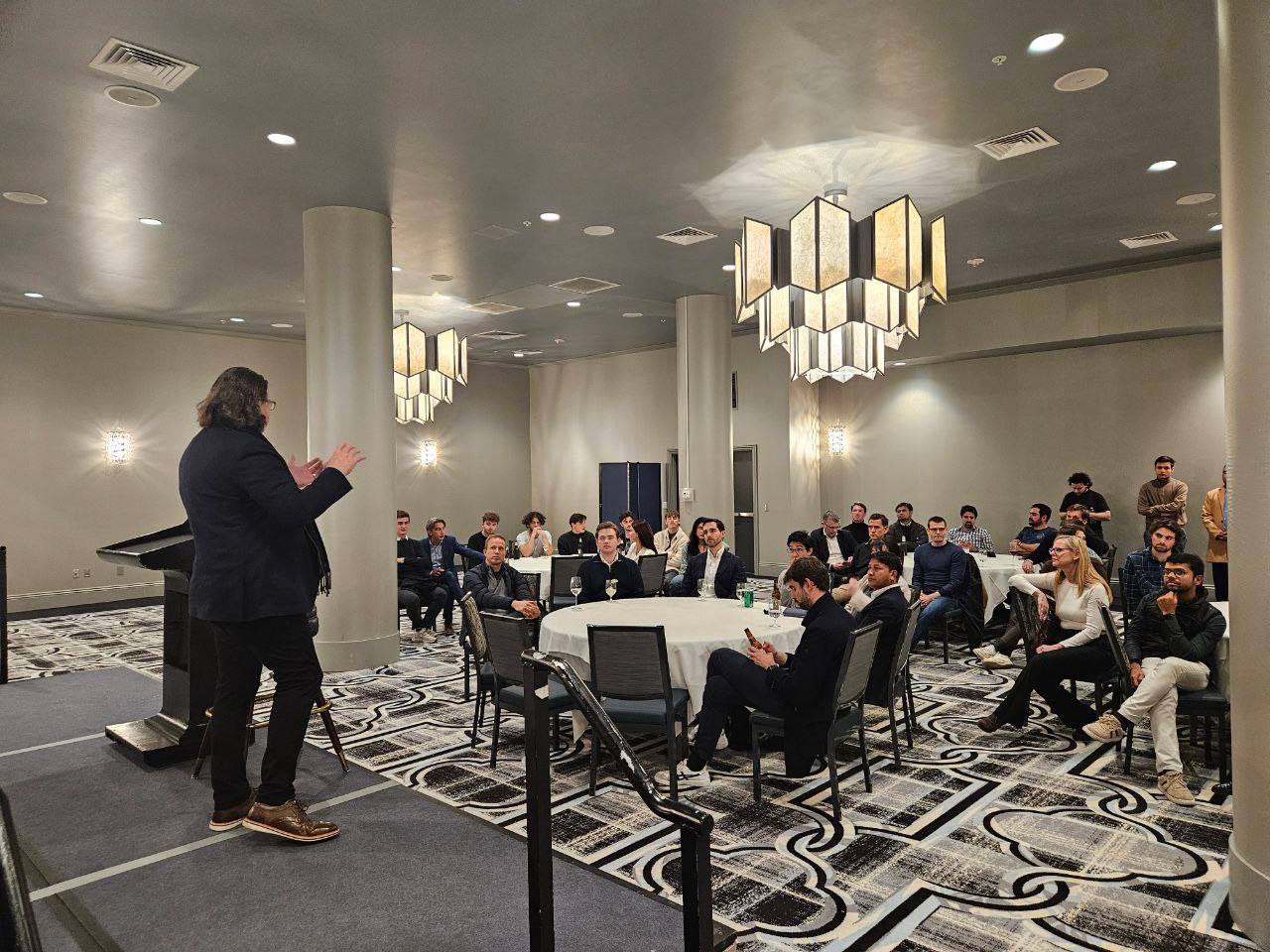
The largest published university purse in the city, run by the Stern Berkley Center, but the gate is real: you or a co-founder must be NYU. The money arrives as seed funding on a KISS agreement rather than a plain grant. The final pitch-off is publicly attendable and the judging bench is drawn from NYC VC firms and accelerators, which makes it a legitimate scouting evening even for non-NYU founders.
Columbia's flagship distributes over $200,000 in grants annually, with non-dilutive add-on prizes for women-led ventures and AI projects. Eligibility is strict: the venture must be founded, managed and owned by current students or recent alumni. If that is you, this plus the NYU and library competitions can stack into a six-figure non-dilutive year. If it is not you, skip to EMC² above.
Rebranded from the Alumni New Venture Competition, this is the HBS network's NYC pitch event. The unusual perk: every applicant, not just finalists, gets an advising session with HBS Alumni Advisors, so the expected value of applying is positive even if you do not place. Applications for the next cycle should open mid-December if the 2026 pattern holds.
Demo days and investor summits: the pitch is the graduation
At a demo day the pitch is the output, not the entry point: you apply to an accelerator, and the investor pitch comes months later. ERA invests $150,000 and its demo day draws roughly 700 potential investors; Techstars NYC invests $220,000 and its next application window is open now, closing Nov 18, 2026. The New York Venture Summit is the conference version: startups apply to be among 100+ presenting companies at the Javits Center.
The city's institutional demo day: Winter 2026 was ERA's 30th, with 14 companies presenting, and the Summer 2026 cohort was announced in August. An audience of about 700 potential investors is a scale no open pitch event in New York matches. The trade is obvious: you earn the stage by getting into (and through) the program.
The application window for the Spring 2027 NYC cohort opened two days before we published this and runs to Nov 18, 2026, which makes Techstars one of the few entries here you can act on today. Their published bar is short and worth quoting straight: founders who deeply understand customer pain points, execute fast, and target markets with $1B+ revenue potential.
The investor-conference route: apply to be selected as a presenting company and pitch a professional investor audience in a single day, rather than earning the stage through an accelerator. The organizers had not published an exact November date or current presenting terms when we checked, so verify both directly with youngStartup before budgeting the trip.
What the judges actually score
The only honest answer comes from published rubrics, and Cornell publishes one. The EMC² competition scores problem and market opportunity, solution, business model and traction, and financials at 20% each, with team and competitive landscape at 10% each and up to a 10% creativity bonus. Techstars publishes its bar too: deep understanding of customer pain, fast execution, $1B+ markets. Everything else you will read about what judges want is folklore, so we are only citing what organizers put in writing.
Two more data points from the primary sources. Founders Live hands the decision to an audience vote after a 99-second pitch, which means clarity under extreme time pressure is the entire game there. And the NYU Entrepreneurs Challenge judging bench is drawn from NYC VC firms and accelerators (an ERA operating partner has judged), which tells you these panels are working investors applying investor criteria, not professors grading a term paper.
The practical takeaway: the rubrics reward exactly what a live investor audience probes in Q&A, and Q&A is trainable. That is the honest case for doing a no-purse pitch night before a $20,000 final: five minutes of pitching plus two or three minutes of unscripted investor questions, twice a month if you want it, is the cheapest rehearsal available for the moment the check is actually on the line.
Questions founders ask us about NYC pitch competitions
Which NYC pitch competitions are open right now? As of August 26, 2026: Enthuse (closes Sep 23), Techstars NYC Spring 2027 (closes Nov 18), ERA (rolling), and the recurring nights: ours on Sep 16, Sep 30 and Oct 14, Founders Live on Sep 10, Startup Grind's next Thursday showcase. The library and borough competitions reopen fall through spring; EMC² and InsurTech NY should reopen around early 2027 on their annual patterns.
Do you need to win a competition to raise in NYC? No, and most funded founders never do. The prize checks ($15K to $25K city-side, six figures at the universities) are useful non-dilutive money, but the durable asset from every event on this list is the same: investors who have seen you present and can be followed up with. Pick the format that maximizes that for your stage, not the biggest number on the poster.
What about NY Tech Week? NY Tech Week 2026 ran June 1-7, a decentralized a16z-presented week with hundreds of independently hosted events including pitch competitions; founders apply to individual events through the official calendar. Dates for 2027 are not announced anywhere yet. Expect June and plan the rest of this list around it.
And if you want to pitch this month, not next spring? That is what our nights are for. Startup Valley's New York series runs roughly twice a month at Whiskey Cellar NYC: a 5-minute pitch from your own laptop, live investor Q&A, and open networking either side of it, at night 143 and counting. Dates for every city are on the events calendar; the application takes minutes at /pitch.
143 nights and ~6,800 attendees in the NYC metro. A 5-minute pitch from your own laptop, 2-3 minutes of investor Q&A, networking before and after. Next dates: Sep 16, Sep 30, Oct 14.