What investors look for in a five-minute pitch
Five minutes is longer than you think and shorter than you want. We've watched hundreds of founders take the mic at our nights. Along the way, we made a habit of asking the investors in the room what made them lean in, and what quietly lost them.

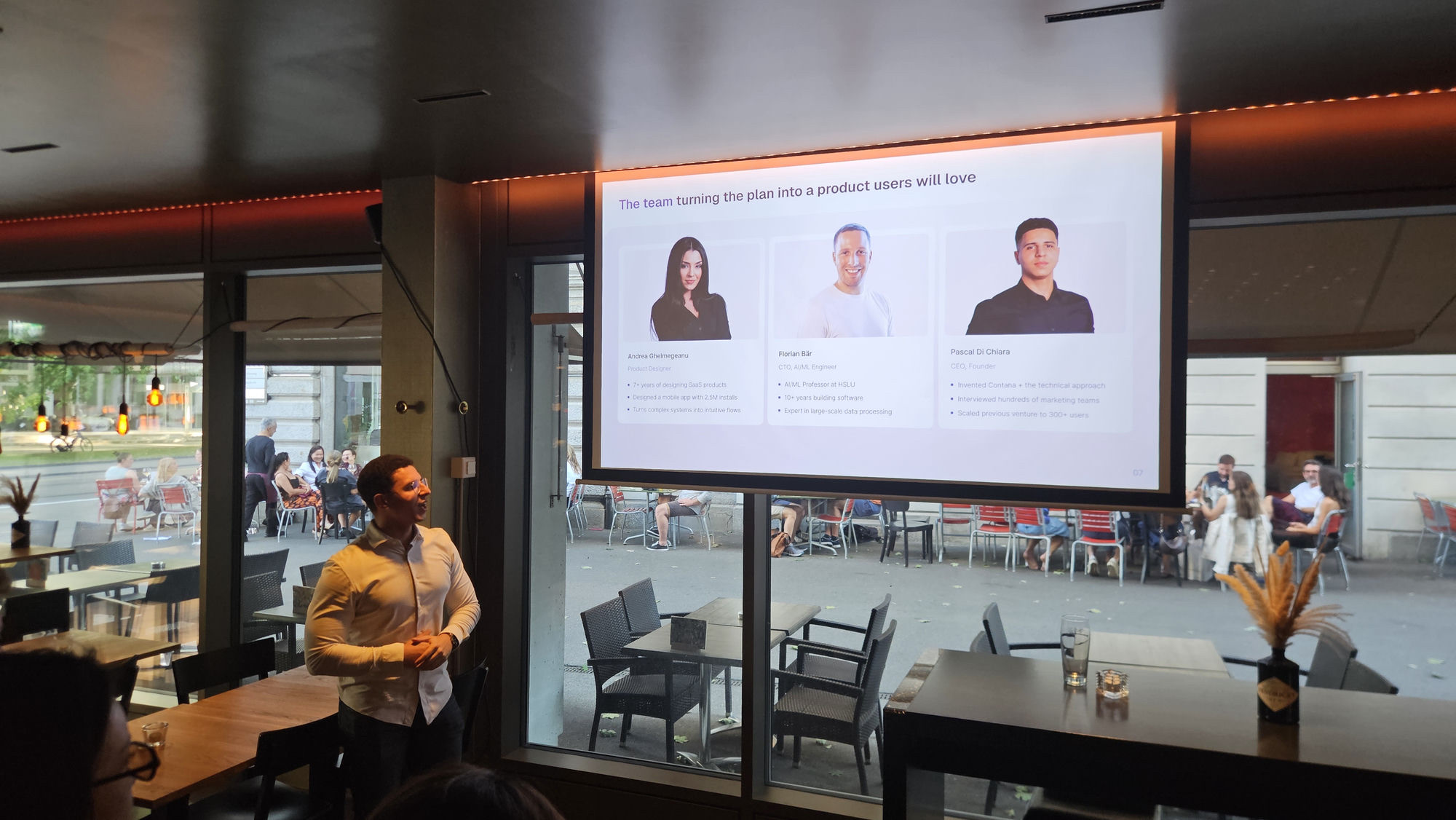
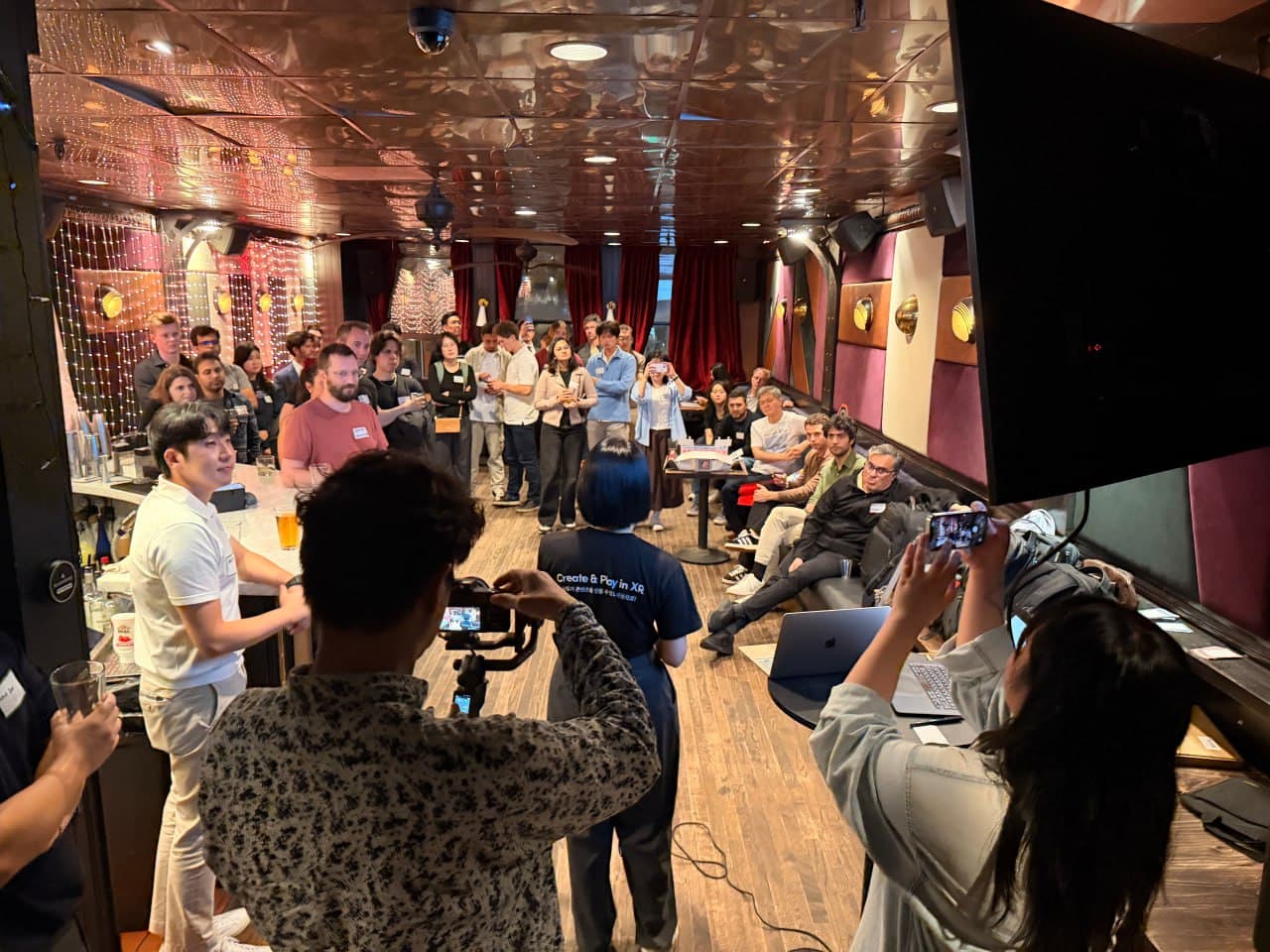
Every couple of weeks, in one of our 25 cities, a founder steps up to a mic with five minutes on the clock. Since 2023 we've run 850+ of these nights, and after most of them we end up at the bar asking the investors the same question: what worked tonight? What made you put your drink down?
Their answers are boringly consistent, and almost none of them are about the deck. Nobody has ever told us they invested because of a slide transition. What they describe, again and again, is a feeling: in five minutes, they learned something true they didn't know before, from someone who obviously knows more about one specific problem than anyone else in the room.
That's the whole game. Everything below is just the mechanics of producing that feeling on purpose instead of by accident.
They're funding your grip on the problem
At pre-seed, the product is half-built and the numbers are small. Investors know this. So they're not really evaluating the product. They're evaluating your grip on the problem. Who has it, exactly? What do those people do about it today, at what cost, with what workaround held together by spreadsheets and apologies? Founders who can answer in that register sound like they've lived inside the problem. Founders who can't sound like they read about it.
Here's a test we've seen investors run in the Q&A after almost every pitch: they ask a question your deck doesn't cover. Not to trip you up, but to see what happens off-script. The founders who get follow-up meetings are the ones who could talk about their corner of the world for thirty minutes without a single slide. If you can't yet, that's your prep list, and it matters more than another design pass on the deck.
Specificity is the tell. "SMBs waste time on invoicing" is wallpaper. "A three-person plumbing company loses an evening a week chasing late payments, and the owner does it herself on Sunday" is a pitch. Same problem, but only one of them sounds earned.
"Investors don't remember decks. They remember the one true, surprising thing you said, and the founder who obviously earned it."
The first minute does most of the work
A live room is not a boardroom. People are holding drinks. Someone's phone is lighting up. You have roughly sixty seconds of full attention, granted for free, and what you do with it determines whether you get the other four minutes back.
So don't spend that minute on your bio, your agenda, or a thank-you tour. Lead with the single most surprising, true thing about what you're building: the fact or observation that made you quit your job. If the room's reaction is "huh, I didn't know that," you've bought yourself the rest of the pitch. If it's a mission statement they've heard forty times, the phones win.
One idea, told well, beats five ideas gestured at. Five minutes is enough to be memorable for exactly one thing. Pick it before you walk in, and make everything else in the pitch serve it.
What makes them check their phone
We'd be doing you a disservice if we only told you what works, so here's the other list: the moves that reliably lose a room, straight from the people checking their phones.
Market-size theater: a TAM slide that multiplies the population of Earth by a subscription price convinces no one; it just signals you haven't found your actual first customers. "We have no competitors": investors hear either "I haven't looked" or "there's no market," and neither helps you. Buzzword stacking, where the product is described entirely in category words and never in what a human actually does with it. And over-claiming: the founder who's certain about everything reads as someone who hasn't been punched by reality yet.
The counterintuitive one: saying "we don't know yet" out loud, about the right things, reads as strength. Investors at our nights bring it up unprompted. Confidence about what you've proven plus honesty about what you haven't is the most credible sound a founder can make. It can't be faked, which is exactly why it works.
The five minutes is the start, not the whole game
Here's the part founders consistently underweight: the pitch isn't the transaction, it's the invitation. Checks don't get written at the mic. They get written weeks later, downstream of the conversation your five minutes started: the investor who came over after, the intro someone made because your one true thing stuck with them, the follow-up note you sent while the night was still fresh.
So treat the pitch as the opening move and plan the rest of the night around it. Stay after. Answer the hallway questions with the same specificity you brought on stage. And follow up within forty-eight hours, briefly, referencing the actual conversation.
The compounding part is what happens next. Every company that pitches at one of our nights lands in the public directory, and the strongest of each fortnight go out in the biweekly drop: five to seven companies, straight to the investors and operators who read it. The room is one night; the listing keeps working after the chairs are stacked. If you've got your one true thing ready, find a night near you and come say it out loud.
Find a pitch night near you and put this into practice.