The best cities to raise a pre-seed in 2026
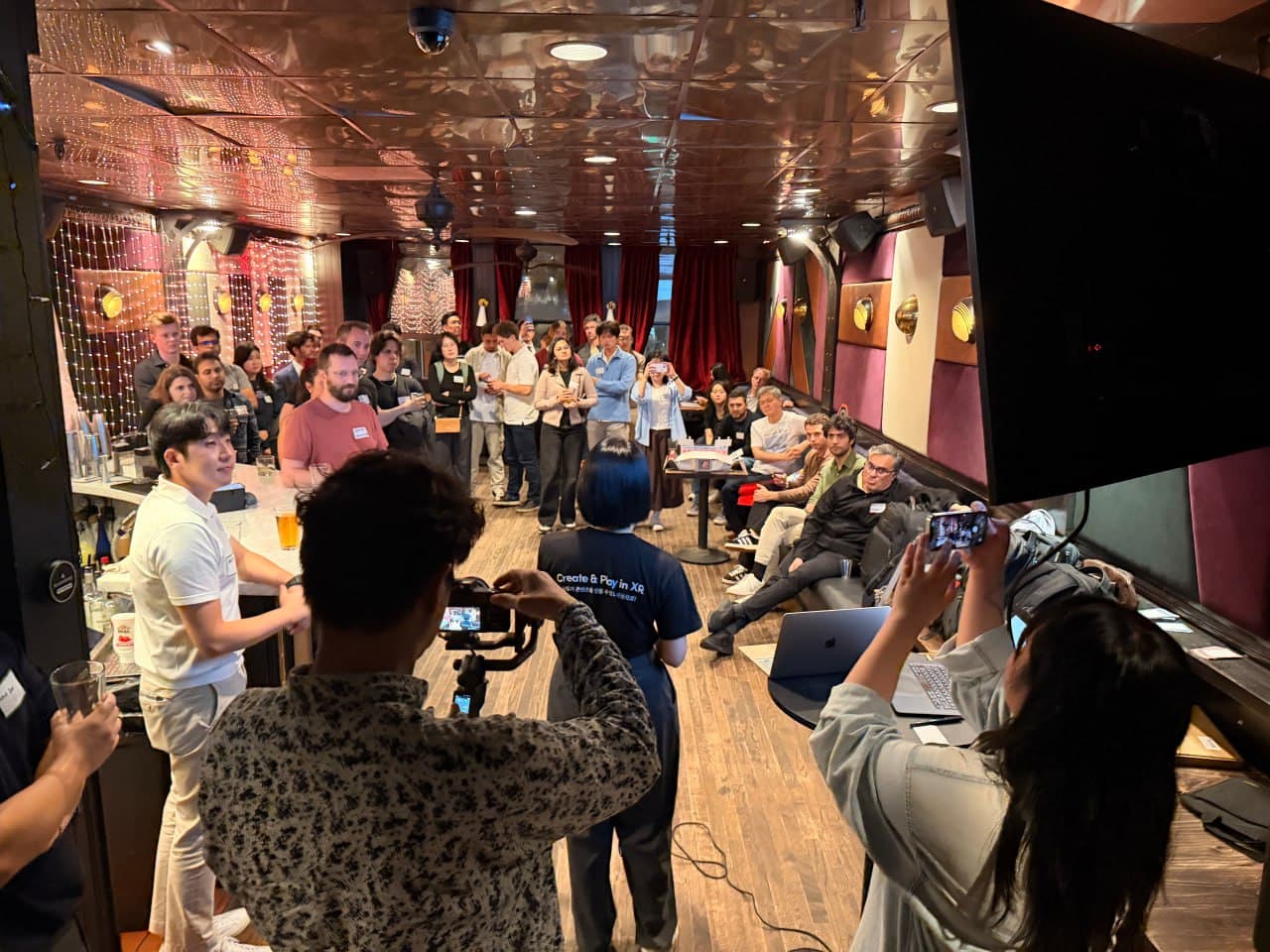
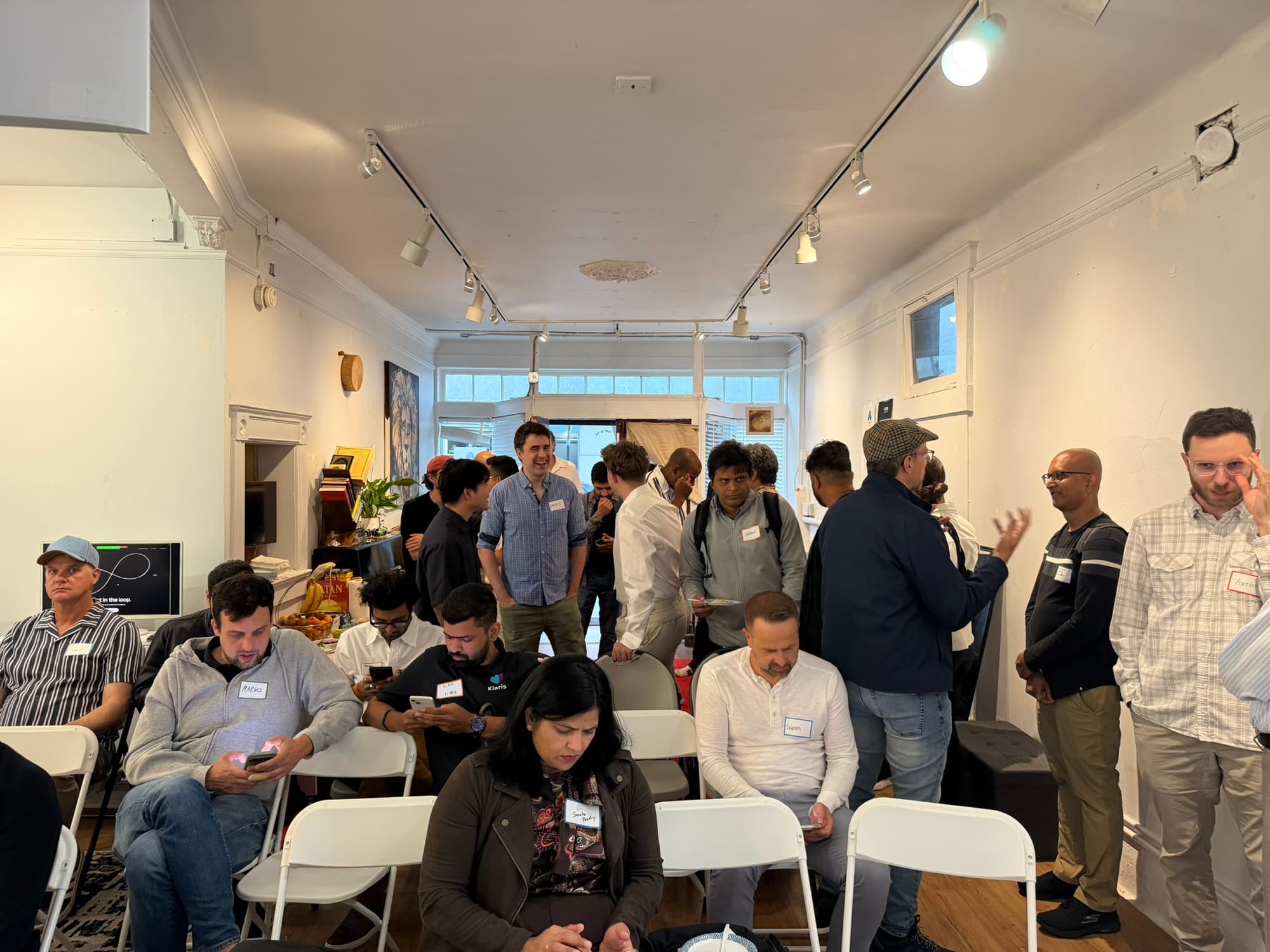
We host nights in 25 cities, which means we get to watch a lot of rooms where early checks get talked into existence. Here's what those rooms actually feel like in 2026, and how to pick yours.

Let's get the honesty out of the way first: we're not going to rank cities with a spreadsheet of deal data we don't have, and we'd be wary of anyone who does. A pre-seed isn't raised from a city. It's raised from a dozen people who decide to trust you, and those people exist in every city we operate in.
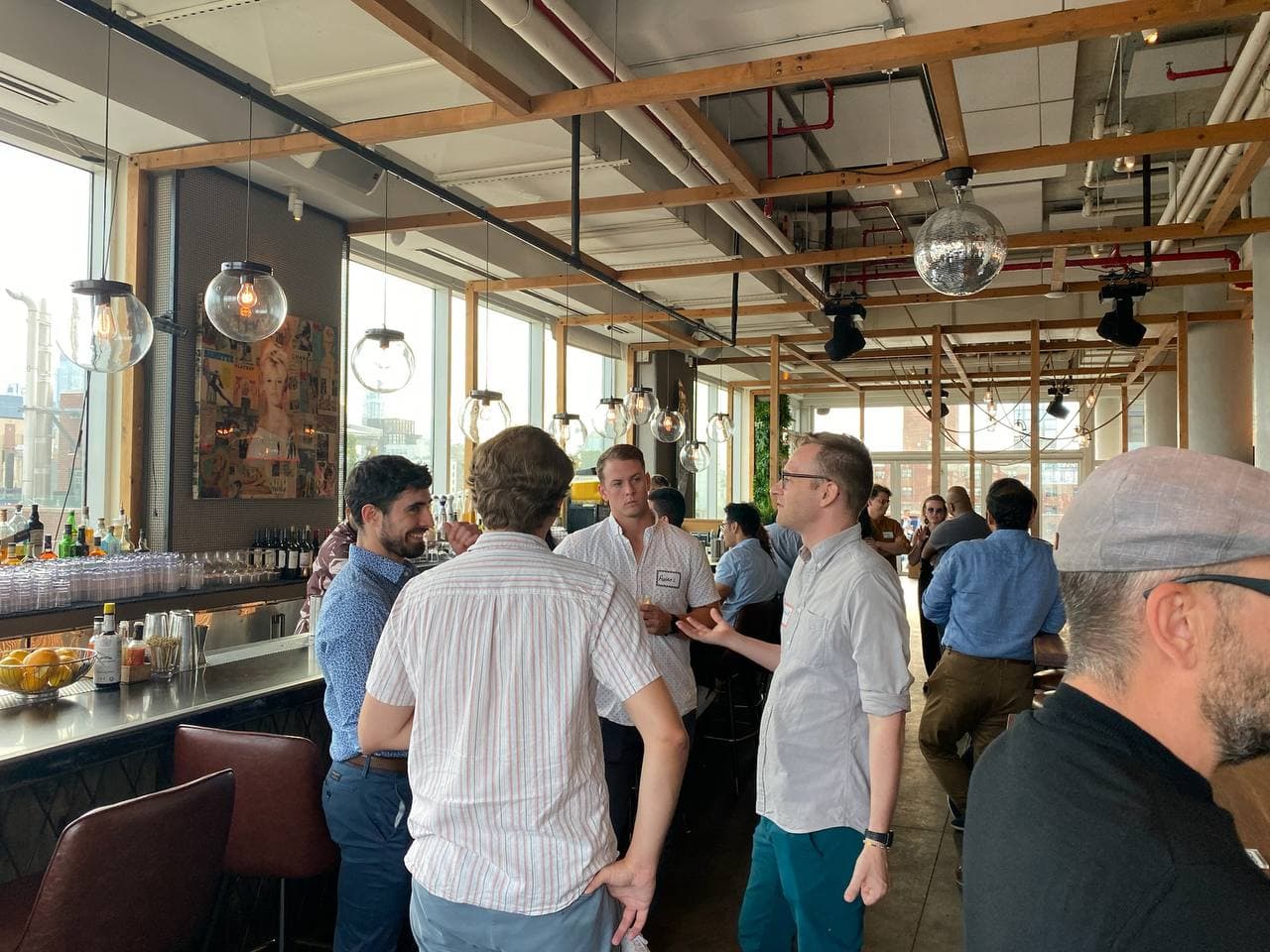
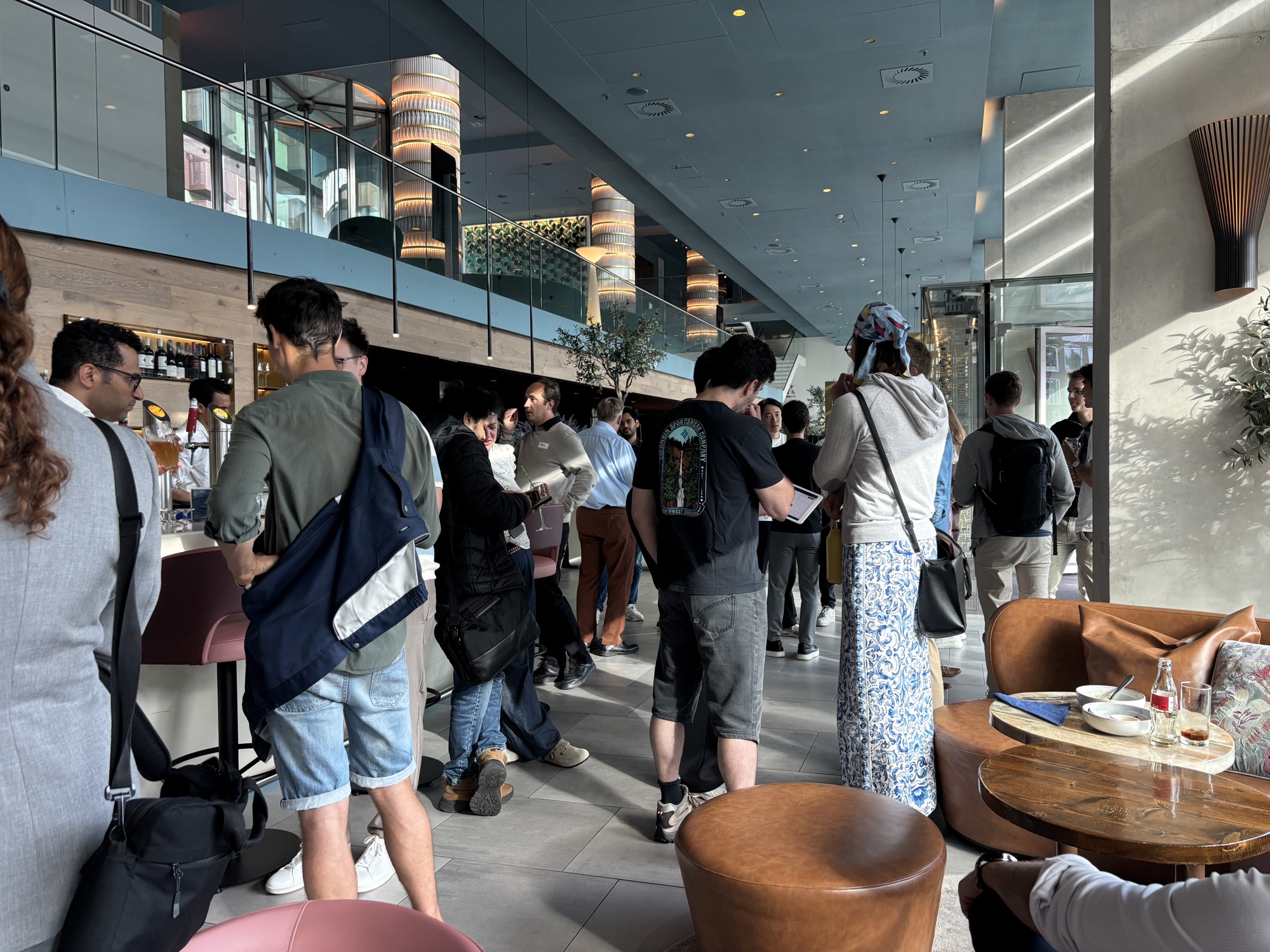
What we can tell you is what we see. Since 2023 we've run 850+ nights for 40,000 people across 25 cities, and the same format (founders pitch, investors listen, everyone talks after) produces a noticeably different room in New York than it does in Amsterdam or Austin. The texture of a scene shapes how you raise there: how fast, how warm, how many meetings a single good night can generate.
So read this as field notes from the long table, not a league table. The right question isn't "which city is best" but "which of these rooms would you walk into twice a month for the next two years?"
The dense classics: New York, San Francisco, London
The big three are still the big three, and the reason is simple density. At our New York and San Francisco nights, the person you're talking to is statistically likely to have written an angel check, worked at a fund, or sold a company (often all three). Capital isn't a destination you travel to; it's ambient. The follow-up meeting is a fifteen-minute walk, and momentum compounds fast because everyone knows everyone's last round.
The cost of density is noise. In these rooms you're never the only founder pitching that week, and investors have finely tuned filters after years of being pitched in every coffee line. Generic doesn't survive here. What does: specificity, working product, and warm paths. The cold email is weakest exactly where the inbound is heaviest.
London sits in the same weight class with its own accent: deep capital, a strong operator-angel layer, and a scene that runs a little more on relationships than on heat. It rewards founders who show up repeatedly more than founders who show up loudly. All three share one trait: they're unforgiving of tourists and generous to regulars.
"You don't raise a pre-seed from a city. You raise it from a dozen people who trust you, and every city has them."
The relationship towns: Toronto, Amsterdam, Austin, Miami
Then there's the tier we've come to love hosting in most: cities where the scene is small enough that reputation travels. In Toronto and Amsterdam, if you've pitched twice and followed up well, the room starts working on your behalf: people mention you to people. Checks can take longer than in the big three, but the trust, once built, is stickier, and there's real capital in both: Toronto's operator wealth is quietly deep, and Amsterdam punches far above its size for early-stage conviction.
Austin and Miami are looser and faster-moving, scenes still deciding what they want to be, which is precisely the opportunity. There's transplanted money looking for local deal flow and fewer established gatekeepers between you and it. The flip side is churn: some of the people you meet are passing through. The founders who win in both cities are the ones who stay, because being a fixture in a young scene is worth more than being a face in a mature one.
The honest trade-off across this whole tier: fewer investors in absolute terms, but a much better ratio of attention to founder. At a Toronto night, a good pitch is the story of the evening. In San Francisco, it's Tuesday.
The wildcards: Tel Aviv, Paris, Zurich, and the southern hemisphere
Tel Aviv barely needs the introduction: pound for pound one of the most conviction-driven early-stage scenes anywhere, with a directness that founders either love or learn to. Diligence happens in the conversation, at speed, and the gap between "interesting" and "let's move" is shorter than almost anywhere we host.
Paris has genuine momentum: the scene has been compounding for years now, the talent is deep, and there's a self-belief in the rooms that simply wasn't there when we started. Zurich is the quiet one: less volume, serious money, and a scene that prizes substance over show. If your pitch is a spectacle it lands flat, and if it's a well-built thing it lands very well. And Melbourne, Sydney and Brisbane share a dynamic worth knowing: smaller cheque ecosystems, but warm, loyal rooms where the community actually wants you to win, partly because everyone remembers when there was no scene at all.
None of these are "easier"; they're differently shaped. The wildcard cities reward founders who fit the local grain instead of importing a Silicon Valley pitch wholesale.
Pick a room, then become a regular
If you're mobile and choosing where to raise in 2026, here's the whole decision compressed: go where you'll still be in two years. Pre-seed money follows sustained presence. The founder who's at every second night in one city out-raises the founder who tours five, because trust is built by repetition and repetition needs an address.
And you can read any scene in a single evening if you know what to look for: do the investors stay after the pitches? Do people introduce you to other people unprompted? Does anyone follow up? A room that does those three things will fund you eventually. A room that doesn't won't, whatever the ecosystem reports say.
The good news is you don't have to guess. We run nights in all of these cities. Come to one, watch the room, talk to the founders who raised there. The companies that pitch with us are in the public directory, city by city, and the biweekly drop puts five to seven of them in front of investors every fortnight. Pick your room. Then keep showing up until it knows your name.
Find a pitch night near you and put this into practice.