Getting your first 100 users from events
Ads buy you strangers. A good night hands you a room full of people who'll tell you the truth, and some of them will become your first hundred users.

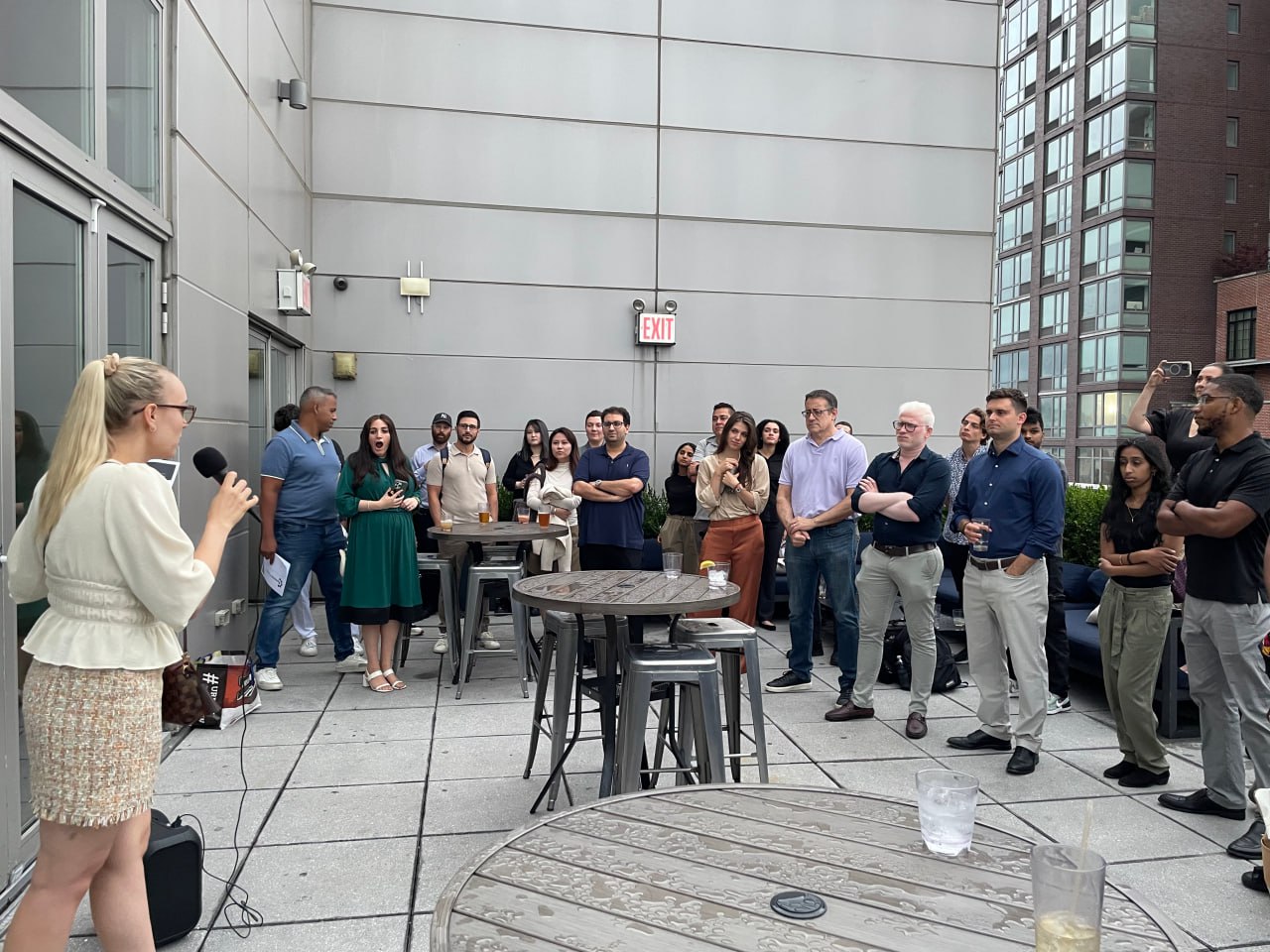
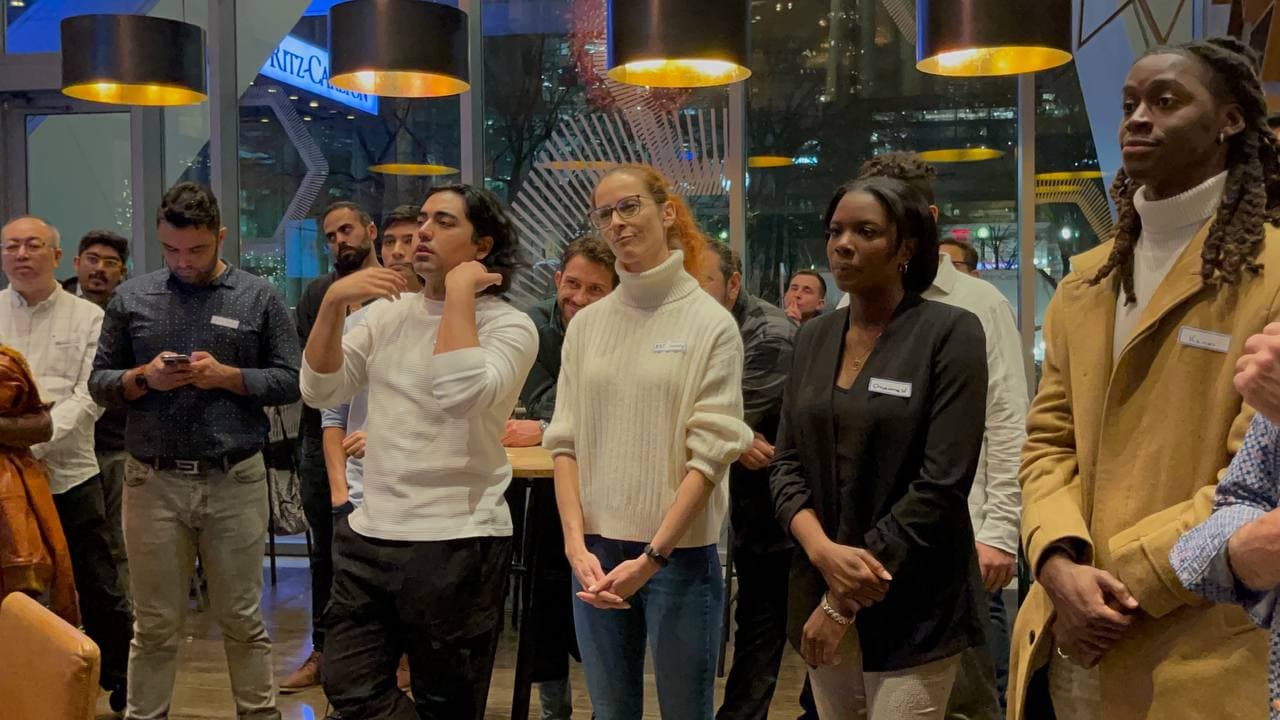
There's a stage of every startup where growth advice is useless because you don't need growth. You need your first hundred users, and the first hundred don't come from channels. They come from conversations. Paid acquisition at that stage buys you strangers who churn silently; what you actually need is people who'll use the thing, tell you where it breaks, and forgive you while you fix it. Events are unreasonably good at producing exactly those people.
We've watched founders work this playbook across 850+ nights since 2023, and the pattern among the ones who pull it off is consistent enough to write down. Here it is, including the stories of three founders from our directory who each turned a single pitch night into the start of a real user base, and the mistakes that separate them from the founders who left with a stack of ignored business cards.
Three founders, one playbook
The first was building a scheduling tool for small teams. She pitched for five minutes, but the pitch wasn't the play. The play was the laptop she kept open at a corner table afterward. Anyone who asked about the product got a ninety-second live demo and an offer: give me your email and I'll set up your workspace personally tonight. Fourteen people did. Twelve were active a month later, because someone who watches you set up their account feels like a founding customer, not a signup.
The second founder ran a consumer app and knew a demo table wasn't his style, so he made the ask absurdly light. One line at the end of his pitch: there's a code in the room tonight, and the first people to use it get something we've never given anyone before. Then he spent the rest of the night just talking to people. No pitch, no push. The scarcity did the work, and the people who redeemed it felt like insiders. They behaved like insiders too: they're the ones who filled his early feedback channel.
The third didn't even pitch. She was building a marketplace and used the night purely as a listening tour: she asked everyone she met the same three questions about how they currently solved her problem, and wrote down answers verbatim. Then she emailed each person their own words back a few days later: you said this, we built this, want to try it? Nearly everyone said yes. You can't ignore an email that quotes you accurately.
"The first hundred users aren't acquired. They're recruited, one conversation at a time."
The mechanics: capture, follow up, onboard by hand
Strip the stories to their skeleton and you get three moves. First, capture with consent. A name remembered is not a user; you need an email and permission to use it, given willingly because you offered something real: a personal setup, early access, a first look at the thing you built from their feedback. QR codes work fine, but only when the thing on the other side is worth scanning. "Sign up for our newsletter" is not worth scanning.
Second, follow up inside forty-eight hours, individually. Not a batch blast, but a short note that references the actual conversation, because that reference is the proof you were listening and the reason they'll open your second email. The window matters: the warmth of a good night has a half-life measured in days, and the founder who writes Thursday morning beats the founder who writes "when things calm down" every single time.
Third, onboard by hand for as long as you can stand it. At this stage, doing things that don't scale isn't a compromise, it's the entire advantage. Every manual onboarding is a usability test you didn't have to recruit for, and every user who got the founder treatment becomes disproportionately likely to stick around, forgive your bugs, and bring a friend. A hundred users onboarded this way teach you more than ten thousand acquired any other way.
How to do all this without being annoying
A warning, because the failure mode is real: the room can tell the difference between a founder and a lead-generation machine, and it protects itself from the second kind. Don't pitch people who didn't ask. Don't scan a badge and add someone to a mailing list they never joined: that's how you turn a warm room cold and your name into a cautionary tale. The founders in the stories above all did the same subtle thing: they made people come to them, by being interesting, generous, or genuinely curious.
The right posture is host, not hunter. Ask about other people's projects first. Make an introduction that has nothing in it for you. Give the room something (a demo, an insight, an honest answer about what's not working) before you ask it for anything. Generosity converts better than any funnel, partly because almost nobody at an event is practicing it.
One night is a start. Turning up regularly is a strategy.
None of this requires our events specifically: the playbook works at any gathering where your future users stand around holding drinks. But density helps, and that's what we've built: Startup Valley runs pitch nights, panels, and mixers in over 25 cities, and since 2023 some 40,000 people have come through those rooms. That's a lot of first conversations waiting to happen.
If you pitch at one of our nights, you also land in the public directory (where investors and early adopters browse long after the chairs are stacked), and the strongest companies of each fortnight go out in the biweekly drop, 5 to 7 companies every other Tuesday. The night gets you the first conversations; the listing keeps working while you're busy onboarding user number thirty-one by hand. Find a night, bring the demo, and go recruit your first hundred one honest conversation at a time.
Find a pitch night near you and put this into practice.